Using Synthetic Biology and AI to Address Global Antimicrobial Resistance Threat
James J. Collins, the Termeer Professor of Medical Engineering and Science and faculty co-lead of the MIT Jameel Clinic, is embarking on a multidisciplinary research project that applies synthetic biology and generative artificial intelligence (AI) to the growing global threat of antimicrobial resistance (AMR).
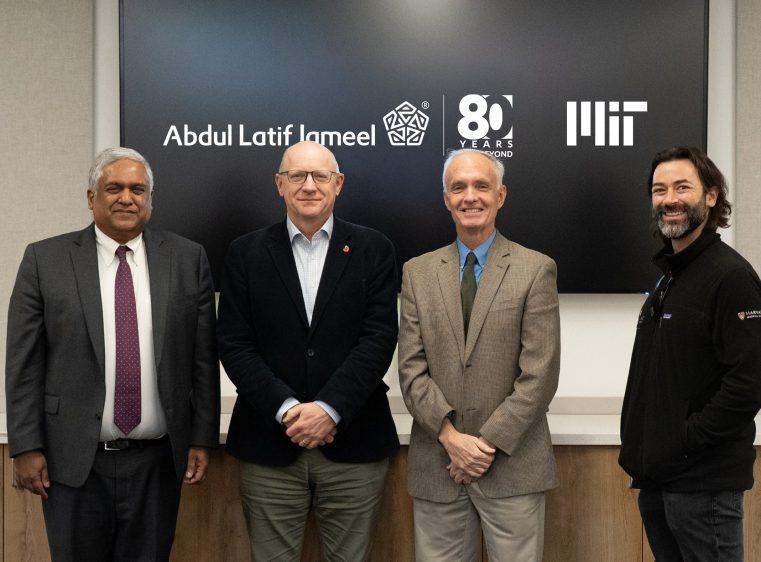
The research project is sponsored by Jameel Research, part of the Abdul Latif Jameel International network. The initial three-year, $3 million research project in MIT’s Department of Biological Engineering and Institute of Medical Engineering & Science focuses on developing and validating programmable antibacterials against key pathogens.
AMR—driven by the overuse and misuse of antibiotics—has accelerated the rise of drug-resistant infections, while the development of new antibacterial tools has slowed. The impact is felt worldwide, especially in low-and middle-income countries, where limited diagnostic infrastructure causes delays or ineffective treatment.
The project supported by Jameel Research centers on developing a new generation of targeted antibacterials using AI to design small proteins to disable specific bacterial functions. These designer molecules would be produced and delivered by engineered microbes, providing a more precise and adaptable approach than traditional antibiotics.
“This project reflects my belief that tackling AMR requires both bold scientific ideas and a pathway to real-world impact,” Collins said. “Jameel Research is keen to address this crisis by supporting innovative, translatable research at MIT.
Mohammed Abdul Latif Jameel, KBE, chairman of Abdul Latif Jameel, said, “Antimicrobial resistance is one of the most urgent challenges we face today and addressing it will require ambitious science and sustained collaboration. We are pleased to support this new research, building on our longstanding relationship with MIT and our commitment to advancing research across the world, to strengthen global health and contribute to a more resilient future.”