Mark Bathe, PhD

Engineering DNA and RNA as programmable materials
We engineer DNA and RNA as sequence-programmable materials to build nanoscale systems for vaccines and genetic medicines, quantum technologies, computation, and information storage.
Staff
Research:
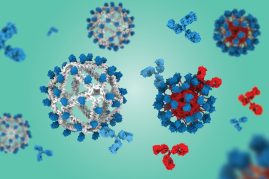
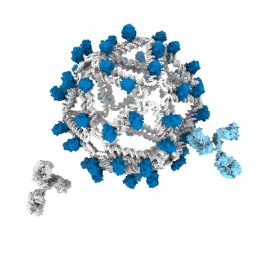
The Bathe BioNanoLab engineers DNA and RNA as sequence-programmable materials. By treating nucleic acids not only as carriers of genetic information but also as construction materials, we design nanoscale structures with precise control over their geometry, composition, and function. In medicine, we engineer DNA-based virus-like particles for vaccines and active immunotherapies, using programmable organization of antigens and other immune signals to control and focus immune responses. We also develop structured nucleic acid nanoparticles for the targeted delivery of genetic medicines to specific cells and tissues. Beyond medicine, we use DNA to organize quantum dots, molecular chromophores, and other functional materials with nanometer-scale precision for quantum photonics, sensing, and information processing. We also develop technologies for molecular computing and data storage, ambient-temperature preservation and retrieval of genomic information, multiplexed neuronal profiling, and the engineering of functional RNA assemblies. Underlying these diverse applications is a common engineering principle: the sequence programmability of nucleic acids enables molecular materials to be designed, fabricated, and functionalized with exceptional control. Our goal is to harness this capability to create new technologies addressing major challenges in human health, computation, and information technologies.
Biography:
Mark Bathe is Professor of Biological Engineering at MIT, where he leads the Bathe BioNanoLab, an interdisciplinary research group engineering DNA and RNA as programmable materials for medicine and information technologies. Bathe received his Bachelor’s, Master’s, and Doctoral degrees from MIT, working across mechanical, chemical, and biological engineering, and conducted postdoctoral research in biological physics at the University of Munich before joining the MIT faculty in 2009. He is a member of the Harvard Medical School Initiative for RNA Medicine and an associate member of the Broad Institute of MIT & Harvard. He is academic co-founder of Cache DNA and Kano Therapeutics.
Affiliations:
- Member, Harvard Medical School Initiative for RNA Medicine
- Associate Member, Broad Institute of MIT & Harvard